
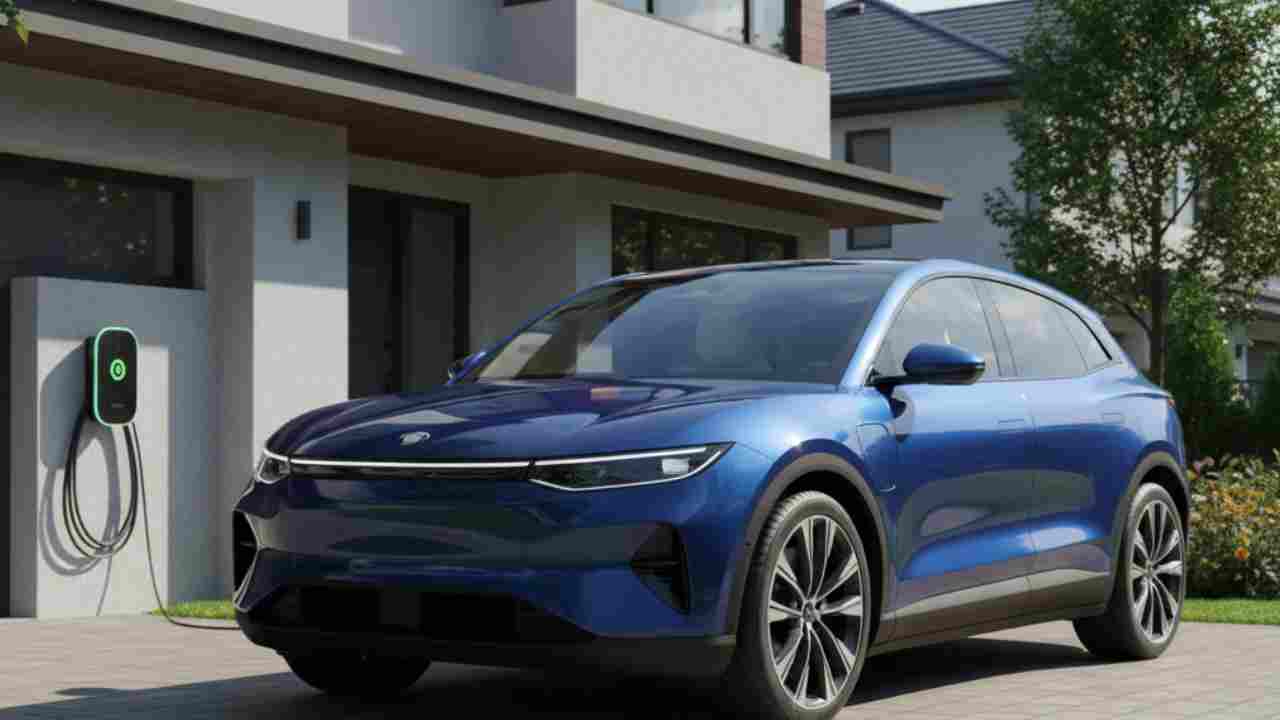
American roads are undergoing a massive transformation. The familiar rumble of combustion engines is slowly being replaced by the quiet, efficient hum of electric motors. Among the wide variety of electric vehicles available today, the electric SUV has quickly become the undisputed favorite for drivers across the country. Americans love their sport utility vehicles for their commanding road presence, ample cargo space, and family-friendly versatility. Now, automakers are combining these practical features with cutting-edge battery technology.
Buying an electric SUV used to mean compromising on range or emptying your bank account. That is no longer the case. The current market offers a staggering variety of options tailored to almost every budget and lifestyle. You can find everything from rugged off-road adventurers with massive towing capacities to sleek, budget-friendly commuters perfect for school drop-offs and weekend grocery runs.
Navigating this rapidly expanding market requires a solid understanding of what each vehicle offers. Range anxiety, charging infrastructure, and long-term battery health remain top concerns for first-time buyers. This guide breaks down the best electric SUVs available in the USA, comparing premium and affordable models, while providing the essential charging and maintenance knowledge you need to make an informed decision.
Why Make the Switch to an Electric SUV?
Transitioning to battery power offers significant advantages beyond environmental benefits. Electric SUVs provide a fundamentally different driving experience that many find superior to traditional gas-powered vehicles.
Electric motors deliver instant torque. When you press the accelerator, the vehicle responds immediately without waiting for gears to shift or an engine to rev. This makes heavy SUVs feel surprisingly nimble and responsive, especially when merging onto highways or navigating busy city intersections. Because the heavy battery packs are typically mounted low in the chassis, electric SUVs also boast a lower center of gravity. This design choice dramatically reduces body roll and improves overall handling and stability.
Utility also gets a major upgrade. Without a bulky engine block taking up space under the hood, many electric SUVs feature a front trunk, affectionately known as a “frunk.” This provides secure, weather-proof storage for groceries or muddy sports gear. Furthermore, modern electric SUVs offer impressive towing capacities and advanced all-wheel-drive systems, making them highly capable vehicles for camping trips and harsh winter weather.
Top Premium Electric SUVs on the Market
If you have a generous budget and want the absolute best in technology, range, and luxury, the premium electric SUV segment has plenty to offer.
Tesla Model X
The Tesla Model X remains a dominant force in the luxury EV market. Known for its distinct Falcon Wing doors, this SUV offers incredible acceleration and a minimalist, tech-forward interior. The Long Range version delivers an estimated 348 miles per charge, ensuring you rarely have to worry about running out of power on road trips. Pricing typically starts around $79,990. Buyers also gain seamless access to Tesla’s extensive Supercharger network, making cross-country travel remarkably convenient.
Rivian R1S
Built for outdoor enthusiasts, the Rivian R1S combines luxury with genuine off-road capability. This three-row SUV features an adjustable air suspension system that can raise the vehicle for rock crawling or lower it for aerodynamic highway driving. Depending on the battery pack chosen, the R1S can achieve up to 400 miles of range. Starting at roughly $74,900, the Rivian boasts a beautifully crafted interior using sustainable materials and offers massive storage solutions, making it perfect for adventurous families.
BMW iX
BMW successfully translated its reputation for driving dynamics into the electric era with the iX. This mid-size luxury SUV features a bold exterior design and a supremely quiet, lounge-like cabin filled with premium materials. The iX xDrive50 model provides an EPA-estimated range of up to 311 miles. Starting around $87,250, it focuses heavily on ride comfort and cutting-edge infotainment, appealing to drivers who want a traditional luxury car experience powered by electricity.
Best Affordable Electric SUVs for Families
You do not need to spend luxury car money to enjoy the benefits of electric driving. Several automakers have introduced highly competitive, reasonably priced electric SUVs that offer great value.
Hyundai Ioniq 5
The Hyundai Ioniq 5 has won numerous awards for its retro-futuristic design, spacious cabin, and ultra-fast charging capabilities. Starting around $41,800, it offers up to 303 miles of range on a single charge. The interior feels remarkably open, thanks to a flat floor and a sliding center console. It also features a unique vehicle-to-load (V2L) system, allowing you to plug in and power standard electronics or camping equipment directly from the car’s battery.
Volkswagen ID.4
Volkswagen designed the ID.4 to be a highly practical, comfortable daily driver. It offers a smooth ride, a tight turning radius, and a spacious cargo area, making it an excellent choice for navigating suburban environments. With a starting price near $39,735, the ID.4 provides up to 291 miles of range. Its sensible layout and familiar driving dynamics make it a great stepping stone for drivers transitioning from traditional gas vehicles.
Chevrolet Equinox EV
Chevrolet aims to bring electric driving to the masses with the Equinox EV. Slated as one of the most affordable options in its class, prices are expected to start around $34,995 for the base model. Despite the low entry price, the Equinox EV promises up to 319 miles of range. It features a sharp, modern exterior and a tech-focused cabin, providing an exceptional mix of affordability, range, and everyday utility.
Your Comprehensive EV Charging Guide
Understanding how and where to charge is a crucial part of owning an electric SUV. Charging infrastructure has grown exponentially, but you still need a plan.
Charging at Home
Most EV owners do the majority of their charging at home overnight. You have two main options for home charging:
- Level 1 Charging: This involves plugging the car into a standard 120-volt household outlet. It is extremely slow, adding only 3 to 5 miles of range per hour. It works for drivers with very short daily commutes, but most SUV owners will find it insufficient.
- Level 2 Charging: This is the recommended solution. It requires a 240-volt outlet, similar to what a large household appliance uses. Installing a Level 2 charging station at home usually requires a licensed electrician. Once installed, it can add 20 to 30 miles of range per hour, easily fully recharging an electric SUV overnight.
Navigating Public Charging Networks
When you take longer road trips, you will rely on public charging stations. Public Level 2 chargers are common at shopping centers and hotels, but for quick top-ups, you need DC Fast Charging (Level 3).
DC Fast Chargers can push massive amounts of electricity into the battery, often charging a vehicle from 10% to 80% in 30 to 45 minutes. Networks like Electrify America, EVgo, and the Tesla Supercharger network cover major highways across the USA. Most electric SUVs come with built-in navigation systems that automatically route you through charging stations on long trips, estimating your arrival charge and telling you exactly how long to plug in.
Understanding Battery Life and Maintenance Costs
Many buyers worry about battery degradation over time. Modern electric vehicle batteries are highly advanced and feature complex thermal management systems to preserve their health. Most manufacturers provide excellent peace of mind by offering battery warranties that last for eight years or 100,000 miles, guaranteeing a certain level of capacity retention.
Maintenance costs for electric SUVs are significantly lower than their gas-powered counterparts. Electric drivetrains have very few moving parts. You will never need an oil change, spark plug replacement, or new engine belts. Furthermore, electric SUVs utilize regenerative braking. This system uses the electric motor to slow the vehicle down, recapturing energy and feeding it back into the battery. Because the motor handles most of the deceleration, your traditional brake pads experience very little wear and can often last for well over 100,000 miles. Your primary maintenance responsibilities will be rotating tires, refilling windshield washer fluid, and replacing cabin air filters.
Finding the Right Electric SUV for Your Lifestyle
Choosing the best electric SUV ultimately comes down to your specific daily needs and budget. If you regularly take your family off the beaten path and need heavy towing capabilities, the Rivian R1S is an exceptional choice. Buyers seeking the ultimate combination of range and seamless highway travel will likely gravitate toward the Tesla Model X.
For the average family looking to lower their daily commuting costs without sacrificing space, the Hyundai Ioniq 5 and Volkswagen ID.4 offer outstanding value. They provide plenty of range for daily chores and the occasional road trip, coupled with fast-charging capabilities to keep you moving.
Take the time to evaluate your daily driving distance, your access to home charging, and your cargo requirements. The electric vehicle market has matured rapidly, and there is almost certainly a model that fits your life perfectly. The best way to understand the benefits is to experience them firsthand. Visit your local dealerships, schedule a few test drives, and feel the quiet power of an electric SUV for yourself
