
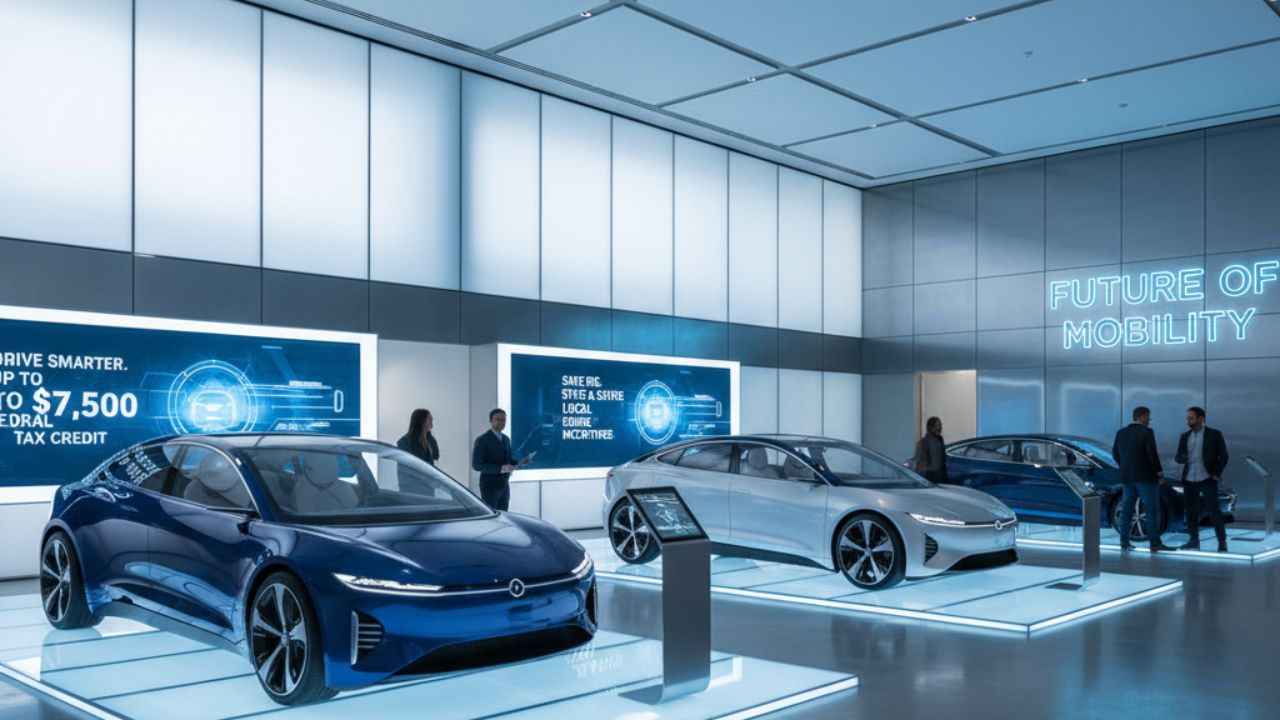
The electric vehicle market has transformed rapidly over the past few years. What was once a niche segment dominated by early adopters has evolved into a mainstream option for millions of American drivers. With gas prices fluctuating and environmental concerns mounting, more people are considering the switch to electric.
But here’s the good news: the federal government wants to make that switch easier. Through the Inflation Reduction Act, eligible buyers can receive up to $7,500 in tax credits when purchasing a qualifying electric vehicle. That’s a substantial discount that can make the difference between sticking with your old gas-guzzler or driving off in a brand-new EV.
However, not all electric vehicles qualify for the full credit—or any credit at all. The rules have become more stringent, with requirements around manufacturing location, battery sourcing, and price caps. Understanding which models qualify and how to claim your credit can feel overwhelming.
This guide breaks down the top 10 electric cars currently eligible for federal tax credit benefits, helping you navigate the options and find the right EV for your budget and lifestyle.
Understanding the Federal EV Tax Credit
Before diving into specific models, it’s important to understand how the credit actually works.
The federal EV tax credit can provide up to $7,500 for qualifying new electric vehicles. Starting in 2024, buyers can transfer this credit directly to the dealer at the point of sale, receiving an immediate discount rather than waiting to claim it on their tax return.
Eligibility Requirements
Not every electric vehicle qualifies for the credit. Here are the key requirements:
Vehicle Requirements:
- Must be assembled in North America
- Battery components must meet specific domestic content requirements
- Critical minerals in the battery must be extracted or processed in the US or countries with free trade agreements
Price Caps:
- Sedans and smaller vehicles: $55,000 MSRP maximum
- SUVs, trucks, and vans: $80,000 MSRP maximum
Buyer Requirements:
- Modified Adjusted Gross Income (MAGI) must be under $150,000 for single filers, $225,000 for head of household, or $300,000 for joint filers
- The vehicle must be for personal use, not resale
Meeting these criteria isn’t always straightforward, which is why it’s essential to verify eligibility before making a purchase.
The Top 10 Electric Cars Qualifying for Tax Credits
1. Tesla Model 3
The Tesla Model 3 remains one of the most popular EVs on American roads, combining impressive range with cutting-edge technology.
Key Specs:
- Range: Up to 341 miles (Long Range)
- Starting MSRP: $40,240
- Tax Credit: $7,500
The Model 3 offers exceptional value for buyers seeking a well-rounded electric sedan. Its minimalist interior, industry-leading Supercharger network, and over-the-air software updates make it a compelling choice. The rear-wheel-drive base model delivers solid performance for daily commuting, while the Long Range and Performance variants cater to those wanting more capability.
2. Chevrolet Bolt EV
General Motors’ Bolt EV has established itself as an affordable entry point into electric vehicle ownership.
Key Specs:
- Range: Up to 259 miles
- Starting MSRP: $26,500
- Tax Credit: $7,500
With the tax credit applied, the Bolt EV becomes one of the most budget-friendly new EVs available. It’s particularly well-suited for urban drivers and those with shorter daily commutes. The hatchback design provides surprising cargo flexibility, and Chevrolet’s reliability gives buyers confidence in long-term ownership.
3. Ford F-150 Lightning
The electrified version of America’s best-selling truck brings EV technology to the pickup segment.
Key Specs:
- Range: Up to 320 miles (Extended Range)
- Starting MSRP: $49,995
- Tax Credit: $7,500
The F-150 Lightning maintains the capability truck owners demand while adding electric power. It can power your home during outages, tow up to 10,000 pounds, and provides a massive front trunk for secure storage. For truck buyers hesitant about going electric, the Lightning offers familiar design with modern efficiency.
4. Volkswagen ID.4
Volkswagen’s ID.4 brings European design sensibilities to the American EV market.
Key Specs:
- Range: Up to 275 miles
- Starting MSRP: $38,995
- Tax Credit: $7,500
The ID.4 strikes a balance between practicality and comfort. Its spacious interior rivals larger SUVs, while the smooth ride quality makes it ideal for families. Volkswagen’s commitment to expanding charging infrastructure through Electrify America adds convenience for road trips.
5. Tesla Model Y
Tesla’s compact SUV has quickly become a top seller, offering versatility in a manageable package.
Key Specs:
- Range: Up to 330 miles (Long Range)
- Starting MSRP: $47,740
- Tax Credit: $7,500
The Model Y provides more cargo space and seating flexibility than the Model 3 while maintaining similar driving dynamics. The optional third row makes it one of the few seven-passenger EVs available. Like all Teslas, it benefits from the extensive Supercharger network and frequent software improvements.
6. Cadillac Lyriq
Cadillac’s entry into the EV market delivers luxury with American flair.
Key Specs:
- Range: Up to 314 miles
- Starting MSRP: $57,195
- Tax Credit: $7,500
The Lyriq offers a premium experience with its spacious cabin, advanced driver assistance features, and striking design. While it exceeds the sedan price cap, it qualifies under the SUV category. Buyers seeking luxury without the European price tag should consider the Lyriq seriously.
7. Nissan Ariya
Nissan’s modern SUV represents a significant evolution from the pioneering Leaf.
Key Specs:
- Range: Up to 304 miles
- Starting MSRP: $39,590
- Tax Credit: $7,500
The Ariya combines stylish design with practical features. Its two-tone interior creates an upscale atmosphere, while the e-4ORCE all-wheel-drive system (on higher trims) provides confident handling in various conditions. Nissan’s experience in EV production shows through in the Ariya’s refinement.
8. Chevrolet Blazer EV
The Blazer EV brings sporty styling to the electric SUV segment.
Key Specs:
- Range: Up to 320 miles
- Starting MSRP: $48,800
- Tax Credit: $7,500
With its bold exterior and performance-oriented driving character, the Blazer EV appeals to enthusiasts. The spacious cabin accommodates five adults comfortably, and GM’s Ultium battery platform promises reliable operation. It’s a strong choice for those wanting an EV that doesn’t sacrifice personality.
9. Acura ZDX
Acura’s electric SUV leverages GM’s Ultium platform while adding premium touches.
Key Specs:
- Range: Up to 325 miles
- Starting MSRP: $60,000
- Tax Credit: $7,500
The ZDX brings Acura’s attention to detail and Honda’s reliability reputation to the EV market. Its refined ride, high-quality materials, and advanced technology package appeal to luxury buyers. While pricey, the tax credit helps offset the premium positioning.
10. Cadillac Escalade IQ
For those wanting maximum luxury in an electric package, the Escalade IQ delivers.
Key Specs:
- Range: Up to 450 miles
- Starting MSRP: $129,990
- Tax Credit: $0 (exceeds price cap)
Note: While the Escalade IQ technically exceeds the price cap for the federal credit, it’s worth mentioning for buyers in states offering additional incentives. Some state programs don’t have the same price restrictions, potentially making this ultra-luxury EV more accessible than expected.
Maximizing Your Savings Beyond the Tax Credit
The $7,500 federal credit represents just the beginning of potential EV savings.
Fuel Cost Savings
Electricity costs significantly less than gasoline per mile traveled. The average EV driver saves between $800 and $1,000 annually on fuel costs compared to similar gas-powered vehicles. Over a typical ownership period of 6-8 years, that adds up to substantial savings.
Maintenance Advantages
Electric vehicles have fewer moving parts than traditional cars. No oil changes, transmission services, or exhaust system repairs. Brake pads last longer thanks to regenerative braking. While tires and cabin air filters still need regular replacement, overall maintenance costs typically run 40-50% lower than comparable gas vehicles.
State and Local Incentives
Many states offer additional rebates, tax credits, or other incentives for EV purchases. California, Colorado, New York, and New Jersey provide particularly generous programs. Some utilities also offer rebates for installing home charging equipment or special electricity rates for overnight EV charging.
How to Claim Your Tax Credit at Purchase
The process for claiming your EV tax credit has been streamlined significantly.
Step 1: Verify Eligibility
Before visiting the dealership, confirm that both you and the vehicle qualify. The IRS maintains an updated list of eligible vehicles on their website. Check your income against the requirements and ensure the specific trim level you’re considering falls within the price caps.
Step 2: Discuss with the Dealer
Inform the dealer you want to transfer the credit at the point of sale. They’ll handle the paperwork to apply the credit as a discount on your purchase price.
Step 3: Complete Required Forms
You’ll need to provide documentation of your income and sign forms authorizing the credit transfer. The dealer will submit these to the IRS on your behalf.
Step 4: Receive Immediate Discount
The $7,500 comes off your purchase price immediately, reducing your down payment needs or monthly payments. This makes EVs more accessible by lowering the upfront cost barrier.
Step 5: Keep Records
Maintain copies of all paperwork for your tax records. While you won’t claim the credit on your return, having documentation proves helpful if questions arise later.
Choosing the Right EV for Your Needs
With so many qualifying options, selecting the right electric vehicle depends on your specific circumstances.
For Budget-Conscious Buyers: The Chevrolet Bolt EV offers the lowest entry price, especially after the tax credit. Its range handles most daily driving needs, and Chevrolet’s dealer network provides accessible service.
For Families: The Tesla Model Y or Volkswagen ID.4 provide the space and versatility families require. Both offer ample cargo capacity and comfortable seating for passengers of all ages.
For Truck Owners: The F-150 Lightning translates traditional truck capability into the electric era. It maintains payload and towing capacity while adding innovative features like mobile power generation.
For Luxury Seekers: The Cadillac Lyriq delivers premium features and refined driving dynamics. It competes directly with luxury European brands at a more accessible price point.
For Maximum Range: If range anxiety concerns you, the Tesla Model 3 Long Range and Cadillac Escalade IQ offer the longest distances between charges, though at very different price points.
Your Path to Electric Vehicle Ownership
The combination of advancing technology, expanding charging infrastructure, and substantial tax incentives makes this an opportune time to consider an electric vehicle. The models highlighted here represent the best options currently available to American buyers seeking to maximize their federal tax credit benefits.
Each vehicle brings unique strengths to the table. Some prioritize affordability, others emphasize luxury, and several strike a balance between the two. The key is matching those strengths to your priorities, whether that’s minimizing total cost of ownership, maximizing cargo space, or simply enjoying cutting-edge technology.
Remember that EV incentives and eligibility requirements can change. The models and credit amounts listed here reflect current regulations, but legislation evolves. Always verify eligibility before making a purchase decision, and consider consulting with a tax professional to understand how the credit applies to your specific financial situation.
The transition to electric transportation is accelerating. These tax credits make joining that transition more affordable while supporting domestic manufacturing and reducing environmental impact. Whether you’re motivated by savings, sustainability, or simply wanting the latest automotive technology, there’s likely an eligible EV that fits your needs.
